
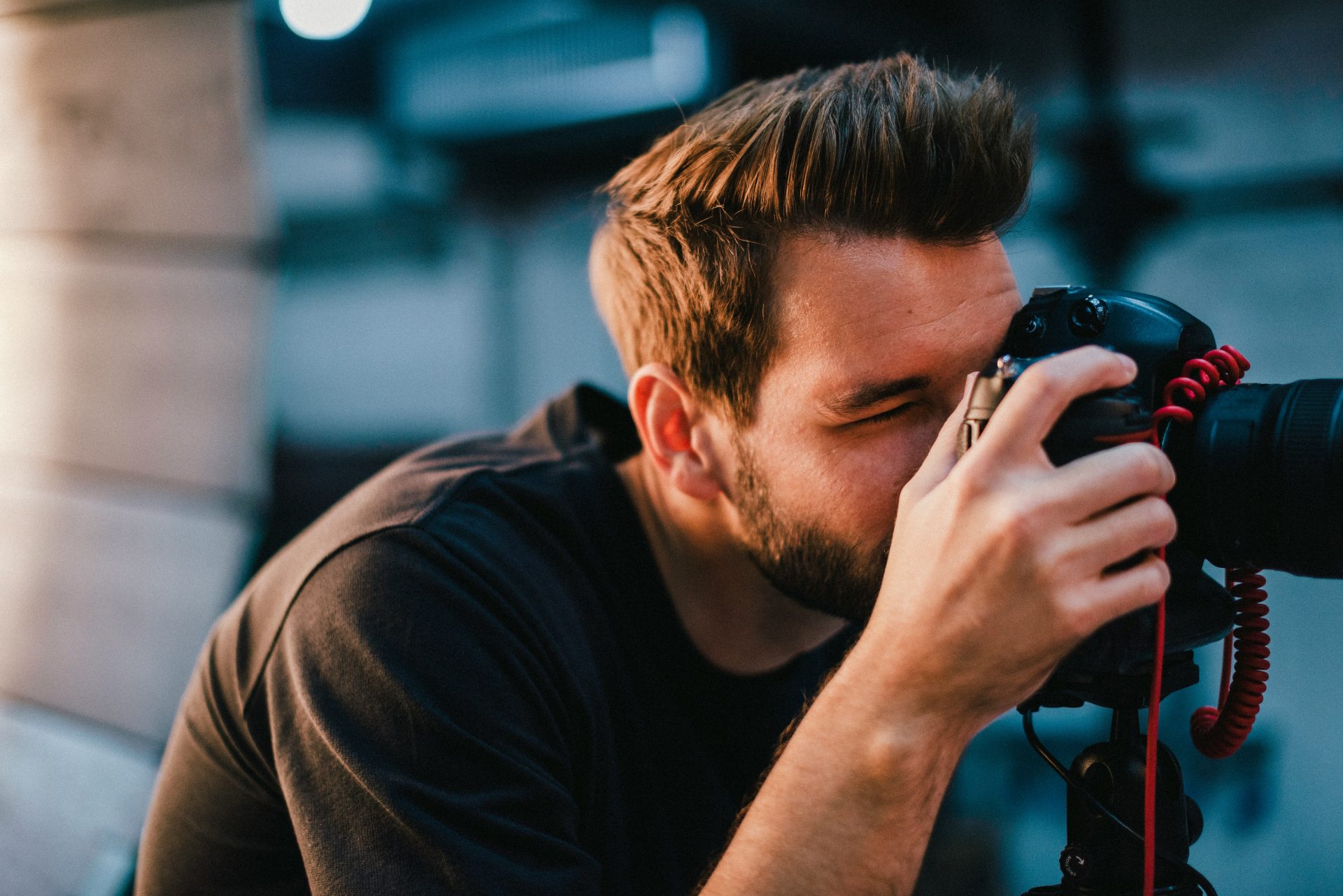
Snap, Save, Secure: Why Smart Photographers Always Get Insurance
Taking photos is awesome. You can freeze a moment forever, whether it’s a perfect sunset, a smiling friend, or an epic jump at a skate park. But here’s the thing most people don’t talk about—camera gear isn’t cheap, and a lot can go wrong in a split second.
One small drop, one clumsy kid, or one quick thief is all it takes to turn a fun day of photos into a serious mess. That’s why smart photographers, even beginners, don’t just protect their gear with padded bags—they protect it with insurance.
Let’s talk about why photography insurance isn’t something only professionals should think about. It’s for anyone who really cares about their gear and wants to keep snapping, even when things go wrong.
The Real Cost of Camera Gear
A good camera can cost hundreds, sometimes thousands, of pounds. Add a couple of lenses, a tripod, memory cards, filters, and maybe a drone—and suddenly, the whole setup could be worth more than a used car.
Imagine saving up all summer for a nice camera, only for it to fall off a ledge or get stolen during a busy event. Replacing it without help from insurance could mean months (or even years) of saving again. And that’s the best-case scenario. If the camera also damages someone’s property or injures someone—yes, that can happen—you could be held responsible. That’s when things get really expensive.
This is where photography insurance becomes more than just a smart idea. It’s a lifesaver. It’s the backup plan no one wants to need, but everyone’s glad to have.
Accidents Happen (Even to the Best)
Most photographers don’t break their cameras doing something silly. Accidents happen during everyday situations. The camera strap slips. A lens cap doesn’t click on properly. Someone knocks over your tripod while walking past. Or maybe the weather changes suddenly, and your gear gets soaked in rain or snow.
Even careful people make mistakes. And even if nothing goes wrong during a shoot, something might happen while packing up or travelling home. When gear is constantly moving between locations, studios, and jobs, there are plenty of chances for things to go wrong.
And it’s not just damage—there’s also theft. Busy places like weddings, festivals, or tourist spots are packed with distractions. That’s why camera bags are high on a thief’s list. One moment your gear is next to you, the next it’s gone. If it’s not covered by insurance, it’s your problem. If it is covered, it becomes the insurer’s problem—and that’s a much better deal.
Insurance Isn’t Just About Replacing Gear
Here’s something most people don’t realize: photography insurance doesn’t just help when something breaks or disappears. It can also cover things like:
- Hiring replacement equipment while yours gets fixed
- Public liability, in case someone gets injured because of your gear
- Legal fees if someone tries to sue over a photo you took
- Accidents while shooting on location
- Worldwide cover if you’re travelling with your gear
This kind of support matters even more if photography is part of your job or side hustle. One mistake could mess up your schedule, lose a client, or make you look unprofessional. Insurance helps you stay on track by dealing with problems quickly and getting you back behind the camera fast.
Don’t Wait Until It’s Too Late
Lots of people don’t think about insurance until after something bad happens. Then they’re stuck with huge repair costs, replacement bills, or worse.
But the smart move is to think ahead. Just like wearing a helmet when biking or saving phone numbers in the cloud, having insurance is just being smart. It’s not planning for failure—it’s making sure failure doesn’t stop you.
Some insurance plans cost less per month than a streaming subscription. Compared to the cost of new gear or repairs, it’s a small price to pay for peace of mind.
How to Pick the Right Insurance
There are different kinds of photography insurance, depending on what you do and how much gear you have. Some are perfect for hobbyists, while others are built for pros who shoot weddings, sports, or commercial jobs.
When picking a plan, here are a few things to think about:
- Does it cover accidental damage and theft?
- Are you covered when travelling abroad?
- Will it cover gear left in a car or storage?
- How fast do they replace or fix damaged equipment?
- Do they include public liability or legal cover?
It helps to go with a provider that understands photography—not just general gadget insurance. That way, they’ll know exactly how important your gear is and how quickly you need help if something happens.
What Happens Without It?
Let’s say your camera breaks right before a big project or family event. No insurance means no backup. No replacement. Just stress and disappointment.
Worse, if someone trips over your tripod and gets hurt, and they decide to take legal action—you’re on your own.
Now imagine the same situation, but with insurance. You file a claim. They send you a loaner camera or cash for repairs. You still make the event. No stress. Problem solved.
That’s the real power of being prepared. It’s not about being scared something might go wrong—it’s about being ready if it does.
Smart Photographers Think Ahead
Whether someone’s just getting started with photography or has years of experience, protecting their gear is one of the smartest things they can do.
Cameras are tools, but they’re also personal. They help tell stories, capture memories, and create art. Losing that ability—even for a short time—can feel like losing a piece of your voice. Insurance helps make sure that doesn’t happen.
It’s easy to think, “That won’t happen to me.” But if something ever does, it’s a lot better to say, “Glad that’s covered,” than, “How am I going to fix this?”
The Bottom Line
Photography insurance isn’t just for clumsy people or professionals. It’s for anyone who takes their gear seriously. Cameras are expensive, fragile, and super important to the people who use them.
Smart photographers snap, save, and secure their gear—not just with a camera bag or screen protector, but with a solid plan in place for when the unexpected happens.
If you’re serious about photos, it’s time to be serious about protection too. You’ll thank yourself later.