The Future of the Retail Industry: Trends Shaping Tomorrow’s Shopping Experience
The retail industry is undergoing a significant transformation driven by technology, consumer behavior changes, and sustainability concerns. The future of retail lies in a blend of physical and digital experiences, adapting to the preferences of a more informed and connected consumer base. Automation, artificial intelligence, and data analytics are reshaping inventory management, customer service, and personalization.
As e-commerce continues to surge, brick-and-mortar stores are not becoming obsolete; instead, they are evolving. Retailers are integrating online and offline experiences to create a seamless shopping journey. This shift emphasizes the importance of providing value and convenience in every interaction a customer has with a brand.
Sustainability is also emerging as a crucial element in the future of retail. Consumers increasingly prefer brands that demonstrate social responsibility and environmentally friendly practices. Meeting these expectations will not only enhance brand loyalty but also drive the industry’s growth in the coming years.
Evolution of Retail in the Digital Era
The retail industry has transformed significantly with the advent of digital technologies. Key developments include the rise of e-commerce, the emergence of social commerce, and the integration of generative AI and machine learning. These changes reflect evolving consumer preferences and the need for businesses to adapt.
Shift Towards E-Commerce
The growth of e-commerce fundamentally reshaped the retail landscape. Online shopping provides convenience and accessibility, allowing consumers to browse products anytime and from anywhere. Retailers have responded by enhancing their online platforms, employing features such as:
- User-friendly interfaces
- Secure payment systems
- Efficient logistics and delivery options
Mobile commerce has also surged, with consumers increasingly using smartphones for purchases. This trend necessitates that retailers optimize their strategies for mobile environments to capture a broader audience.
Rise of Social Commerce and Consumer Preferences
Social media platforms are becoming critical for retail strategies. The integration of shopping features enables direct purchasing through platforms like Instagram and Facebook. This shift reflects changing consumer preferences, as shoppers seek experiences and community engagement. Key aspects influencing this trend include:
- User-generated content
- Influencer partnerships
- Real-time feedback
These elements foster a sense of trust and connection between brands and consumers. As a result, retailers must leverage social media to engage customers and drive sales.
Integrating Generative AI and Machine Learning
The incorporation of generative AI and machine learning into retail operations provides valuable insights. These technologies analyze consumer behavior, preferences, and trends, allowing for personalized marketing strategies.
Key applications include:
- Predictive analytics for inventory management
- Automated customer service through AI chatbots
- Enhanced product recommendations based on browsing history
Both generative AI and machine learning empower retailers to optimize their offerings while improving customer experiences. This integration helps refine operational efficiencies and maintain competitive advantages in an ever-evolving industry.
Retail Industry Dynamics and Economic Indicators
The retail industry is influenced by a variety of economic factors that directly affect its dynamics. Key indicators such as revenue growth, profit margins, and the impact of political events play crucial roles in shaping this sector’s landscape.
Impact of Economic Factors on Retail
Economic factors, including consumer confidence, disposable income, and employment rates, significantly influence retail performance. When the economy is strong, consumers tend to spend more, leading to higher revenue for retailers.
Conversely, during economic downturns, reduced consumer spending pressures on profit margins. For instance, rising costs due to inflation can squeeze margins further, compelling retailers to adjust pricing strategies or cut costs. Seasonal variations also impact sales; retailers must be agile to adapt to changing economic landscapes.
Analyzing Revenue Growth and Profit Margins
Revenue growth in retail can often be attributed to effective marketing strategies, expansion into new markets, or product diversification. It is essential to analyze how these factors contribute to sustained profitability.
Retailers must monitor their profit margins closely. A healthy margin indicates operational efficiency, while narrow margins can highlight excessive costs or pricing issues. According to industry standards, an average profit margin in retail ranges from 2% to 10%, depending on the sector. Retailers are increasingly employing data analytics to enhance revenue strategies and improve margins.
Elections, Inflation, and Retail Market Response
Political events, particularly elections, can lead to shifts in consumer behavior and spending patterns. Pre-election uncertainties may cause consumers to hold off on major purchases, affecting retail sales.
Inflation plays a dual role; while it increases costs for retailers, it can also lead to higher prices for consumers. This dynamic necessitates careful pricing strategies to maintain competitiveness. For example, rising fuel costs impact the supply chain, increasing operational costs. Retailers must navigate these economic fluctuations to sustain growth and adapt to the market’s evolving demands.
Enhancing Customer Experience and Engagement
The retail landscape is evolving as businesses focus on improving customer experiences and fostering engagement. Strategies around in-store experiences, personalized services, and real-time inventory management play crucial roles in shaping how consumers interact with brands.
Advancing In-Store Experiences
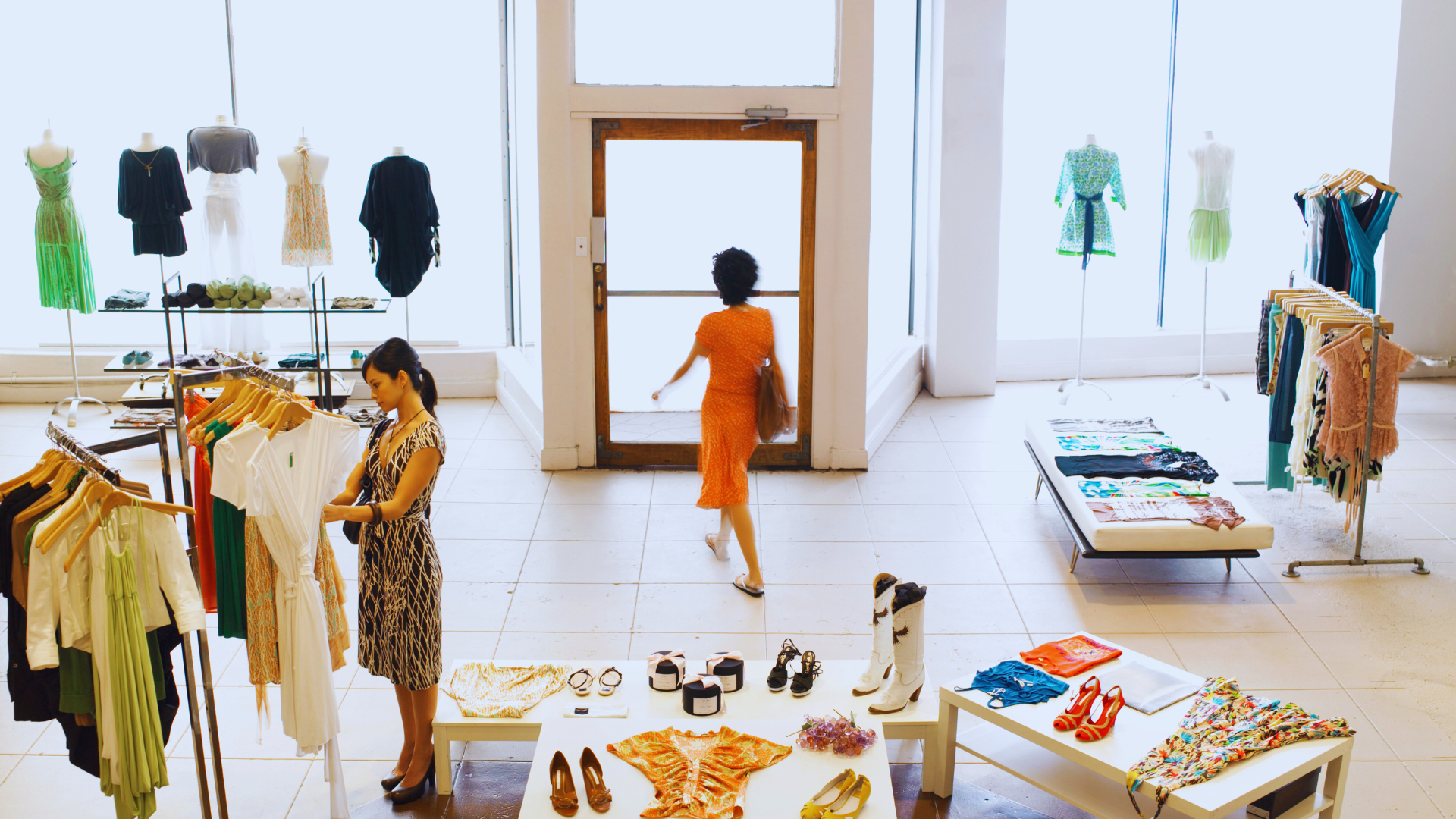
Modern retailers are enhancing the physical store experience by incorporating technology. Interactive kiosks, mobile apps, and augmented reality features allow customers to explore products more effectively.
These advancements create immersive environments that attract shoppers and increase dwell time. Training staff to engage with customers and providing streamlined checkout processes also contribute to a more positive shopping experience. This focus on the physical store helps retain customers who prefer in-person interactions.
To maintain these in-store improvements, retailers often need flexible working capital to upgrade hardware, train teams, or cover seasonal inventory. One practical option for businesses that rely on card payments is a merchant cash advance tied to PDQ takings, which repays as a percentage of future card sales and can smooth cash-flow peaks and troughs. For further practical guidance on how this funding works for UK retailers and how it integrates with PDQ payments, see BusinessFinanced.co.uk. Understanding funding mechanics helps managers plan investments without defaulting to rigid loan terms.
The Growth of Personalized Experiences
Personalization in retail is becoming increasingly important. By utilizing data analytics, retailers can deliver tailored recommendations based on previous purchases and browsing behavior. For example, grocery stores can suggest recipes or complementary items based on a customer’s shopping history. This customized approach enhances customer interaction and makes shopping more enjoyable. Customers appreciate it when brands recognize their individual preferences, which can lead to increased sales and loyalty.
Real-Time Inventory Visibility and Its Effect on Consumer Trust
Real-time inventory visibility is essential for customer trust in the retail sector. When customers check product availability online or via mobile applications, they expect accurate information. An out-of-stock item can lead to frustration and diminished loyalty. Retailers implementing technologies like RFID and inventory management systems can provide up-to-date stock levels, improving the shopping experience. This transparency builds trust, making customers more likely to return.
Fostering Customer Loyalty in a Competitive Landscape
In a saturated market, fostering customer loyalty is crucial. Retailers can achieve this through loyalty programs, personalized offers, and excellent customer service.
Reward systems that provide incentives for repeat purchases encourage customers to choose one brand over another. Engaging customers through newsletters or social media also helps maintain a relationship. By focusing on creating memorable experiences, retailers can cultivate lasting loyalty even amidst stiff competition.
Innovations in Autonomous Retail Operations
The retail landscape is experiencing an evolution through technological advancements that streamline operations and enhance customer experiences. Innovations in autonomous retail are leading to significant shifts in operational models, moving from traditional mass retailing to more tailored micro experiences.
Autonomous Retail: From Mass to Micro
Autonomous retail operations allow retailers to shift focus from broad mass audiences to more personalized micro-targeting. Technology such as artificial intelligence (AI) and machine learning enables retailers to analyze consumer data effectively. This helps in creating tailored shopping experiences based on individual preferences.
Automated systems can manage inventory and suggest products to specific consumer segments. For instance, an AI-driven recommendation engine can analyze past purchases and behaviors to promote relevant items, enhancing customer satisfaction.
Additionally, autonomous checkout systems eliminate long lines and reduce operational costs, allowing retailers to allocate resources more effectively. This personalized approach fosters customer loyalty as consumers feel recognized and understood.
Enhancing Productivity with Technological Innovation
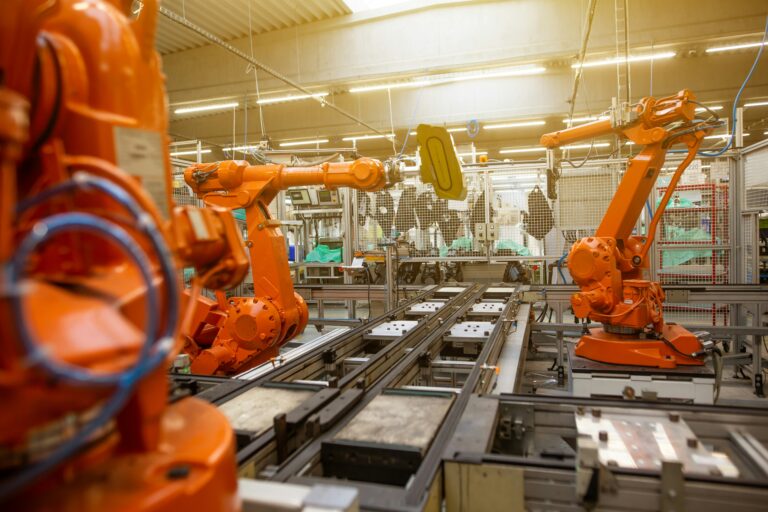
Technological innovations play a crucial role in boosting productivity within retail environments. Automation tools, such as robotic process automation (RPA), streamline tasks that were once manual, like inventory tracking and restocking.
Retailers now implement autonomous robots in warehouses for efficient stock management. These robots can navigate through aisles, pick items, and even communicate with other systems in real-time, which decreases errors and increases efficiency.
Another innovation is smart shelves equipped with sensors, which monitor stock levels continuously. This technology ensures products are always available while minimizing waste and optimizing supply chains. As a result, productivity levels rise, leading to better profit margins for retailers.
The Role of Cybersecurity in Protecting Retail
As technological innovations permeate the retail industry, cybersecurity becomes increasingly vital. Autonomous systems generate massive amounts of data that can be targeted by cyber threats. Retailers must invest in robust cybersecurity measures to protect sensitive customer information.
Adopting advanced encryption techniques and multi-factor authentication can safeguard against data breaches. Additionally, implementing thorough security protocols ensures that autonomous retail operations are not disrupted.
Moreover, staff training on recognizing phishing attacks and other cybersecurity threats enhances the overall security posture of businesses. A proactive approach toward cybersecurity safeguards not only the business but also builds trust with consumers, essential for a successful retail operation.