Why the Right Meeting Space Makes a Bigger Difference Than You’d Expect
Why the Right Meeting Space Makes a Bigger Difference Than You’d Expect
There’s a version of this that happens in companies all too often. Someone sets up a much-needed meeting, client pitch, strategy talk, something that matters, and then books the first available conference room (or worse, pulls a few chairs together in a corner). The meeting happens. It’s adequate. But "adequate" is not what anyone was going for.
The space in which a meeting occurs dictates everything about it, most of which goes unnoticed until something goes terribly wrong. Sound bleeds through. The area is too tight. Technology fails. And before you know it, the far-away discussion that was supposed to propel something forward becomes sidetracked by the environment in which it’s taking place.
The Pre-emptive Power of Presentation
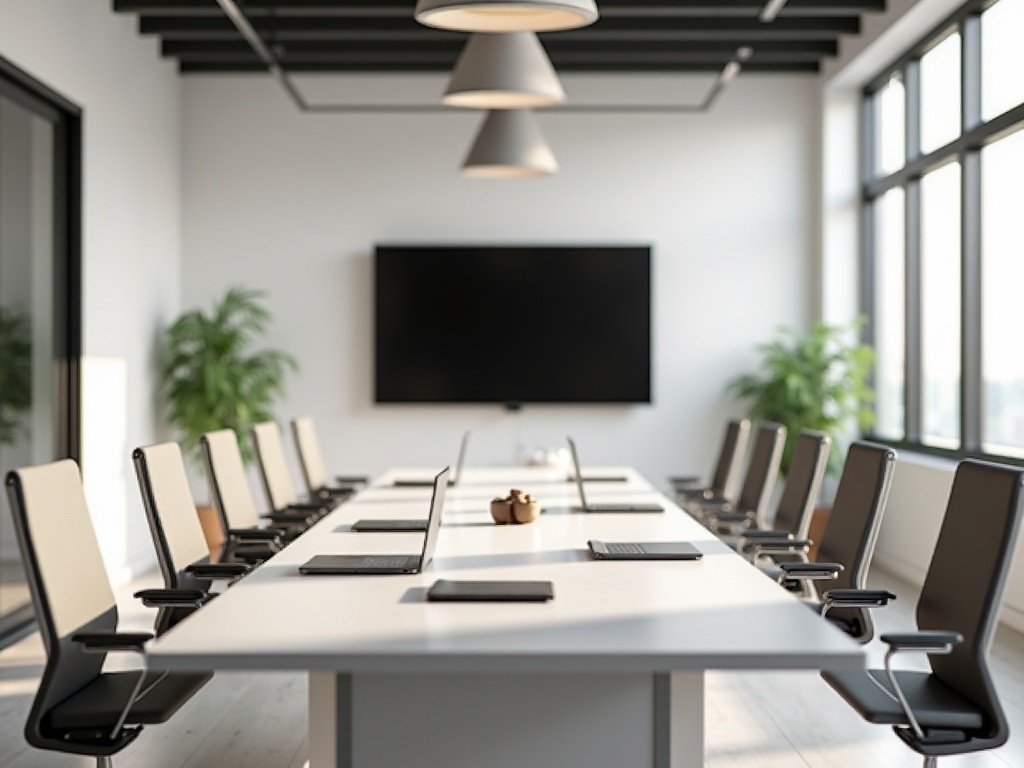
Consider this: the room speaks before the discussion even starts. When a client comes in to a well-appointed meeting space, good lighting, clean table, well set-up, and gets brought in to an engaging meeting, it shows that the business across the table means business. That’s no small feat.
Compare that to a cluttered back office or a café corner with someone on the speaker phone trying to order coffee at the same time; one may have the same content as the other, but one comes across much more unprofessional than the other. It’s not just about the substance of professionalism, but also the presentation; part of the presentation includes the space.
This is why more professionals are taking the time to book a meeting space in advance rather than leaving it to chance. The small effort of securing the right room pays off in ways that are hard to measure but easy to feel.
Focus is a Finite Resource – Don’t Waste It
A decent meeting space does something practical as well, it helps people focus. When people enter a prepped area that’s intended for a meeting, no distractions, no interferences, assembled furniture and tools, it makes focusing on the work at hand come more naturally and more quickly.
You’d think that would be an obvious detail, but it’s surprisingly understated. The problem with cobbled together endeavors is that it quietly saps energy from people trying to participate. They’re partially engaged with their surroundings (the noise from outside, awkward chairs, potential enters) while attempting to engage with the content. This isn’t fatal on its own, but compounded, it matters.
A meeting that should take an hour drags on. Final decisions are postponed. People walk away without the clarity they sought. The proper space helps eliminate those stressors and allows the meeting to be what it’s supposed to be.
What a Hired Meeting Room Provides
For companies who do not possess their own dedicated space, or need something with more polish than what they currently have, hired meeting rooms provide much more than four walls and a table.
Most purpose-built meeting spaces offer quality AV technology, stable WiFi, whiteboards or presentation screens, and an aesthetic accustomed to professional discussions. That’s something. Showing up at a client meeting on time and managing to connect to a screen for seamless presentation is much different than plugging cords and rebooting laptops in a frazzled state upon entry.
Then there’s privacy. Open offices or cubicles aren’t conducive for sensitive discussions, be they performance talks or contract negotiations, or even strategic planning sessions that don’t need to be overhead around town. A private room completely alters that atmosphere; people speak freely when they know someone else is not listening in the next cubicle over.
Flexibility Makes All the Difference
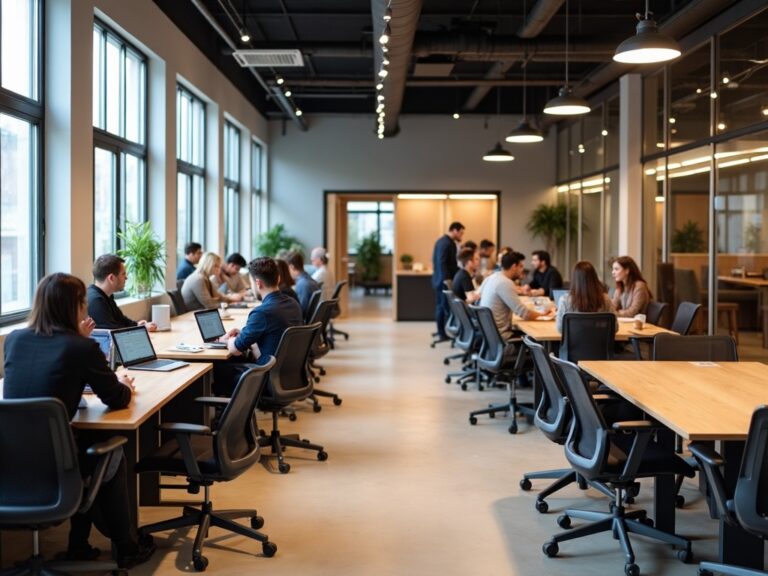
One major shift in the past few years surrounds how businesses see space in general. Gone are the days when companies need to rent out large offices with desks to fill them; everyone meets in-house these days (but no longer). Teams are remote. Schedules vary. Clients are across town (or states).
Hiring out a meeting room as needed is a truly practical solution for companies looking for specialized spaces when they need them without keeping overhead of maintained spaces full-time. It works for freelancers and clients, small businesses hosting workshops, remote teams collaborating over planning days or established companies looking to make an impression.
And it’s not just logistical flexibility; it’s also flexibility of purpose; every meeting can happen in a purposeful area instead of whatever space is free at the time.
Maximizing Every Meeting’s Potential
It’s not about being precious; all meetings don’t require one added decorum. But the ones with stakes and real people and real discussions that matter should have the appropriate space; having diminished expectations of a vital meeting is like preparing a five-course meal and serving it up on paper plates, whatever effort is put forth at the bottom comes across underwhelming when presented inappropriately; it feels as though the entry effort was wasted effort.
The good news? Accessing quality meeting spaces is easier than it’s ever been; spaces are available all over town in various arrangements and it’s easier than ever to book options; usually, that return on investment comes in the meetings themselves, in clarity of discussion and efforts made and impressions cast and decisions ultimately made.